
FREE QUOTE REQUEST


Coffered ceilings are architectural ceiling systems formed from adjacent recesses with voluminous borders (caissons). These niches can be identical or have different geometric shapes, forming symmetrical patterns. Such systems are designed for decorative zoning of ceiling space and creating ceiling depth without transferring structural loads to the building's floors. In addition, coffered ceilings can conceal ceiling defects and utilities, while also improving the room's acoustics (if the material is chosen correctly).
These products serve only an architectural and decorative function and are not load-bearing elements of the ceiling structure.
Coffered ceilings are made exclusively from expanded polystyrene (EPS), a foamed material consisting of interconnected closed cells.

Coffered ceilings can have caissons of various shapes. Most often these are:
EPS can also be used to manufacture ceiling systems with caissons of individual shapes (for example, triangular or octagonal). The beams and ribs of the coffered grid are also crucial elements of the structure. Additionally, this construction complements ceiling rosettes and dome elements well.
The construction of a coffered foam ceiling allows for easy integration of lighting, ventilation, and engineering systems.

Coffered ceilings do not require additional reinforcement of floors, metal suspension frames, or wet construction processes during installation.
Foam ceiling structures are delivered as separate sectional elements and come with detailed assembly instructions. Modular caissons are attached directly to the ceiling surface using adhesive systems and hidden mechanical fasteners.
The ceiling grid is assembled step-by-step, using a construction set principle. Since EPS is a very lightweight material, no heavy lifting equipment is required.
Coffered Ceilings made of EPS are very cost-effective for architectural projects of any complexity. Foam coffers are very light, so they put minimal load on the floor slabs. For the same reason, installation is much quicker.


Step 1. Adaptation
If you have a finished design, we adapt it for production and installation, preserving every detail.
Step 2. Define your vision
Capture a clear picture of the client’s ideas before moving to design and rendering.
Step 3. Plan specifications
Outline measurements, production methods, and finalize materials, components, and finishes.
Step 4. Production and assistance with logistics

Step 1. Define your vision
The aim of this step is to capture a precise picture of the client’s vision before proceeding to technical design and visual rendering.
Step 2. Plan specifications
During this phase, we define the specifications, production methods, and measurements, while finalizing the look by selecting materials, elements, and finishes.
Step 4. Production and assistance with logistics

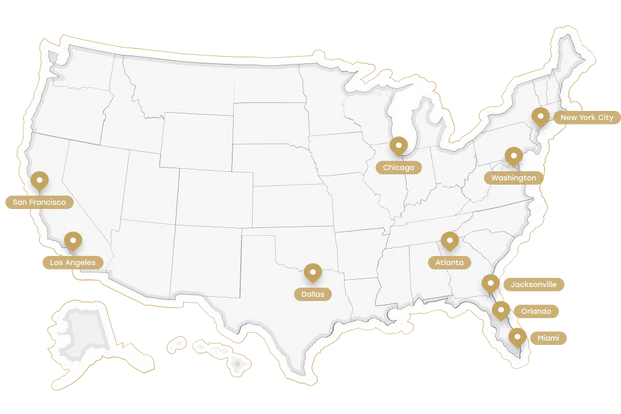
We proudly serve clients across the United States,
including major cities such as
· Jacksonville · Orlando · Miami · Atlanta · Dallas · Los Angeles · New York City · Chicago · Washington · San Francisco ·


Our old wood window surrounds were totally rotted out. Called Royal Foam for advice, and the free consult was super helpful. Went with PU foam because they said it would hold up better and capture the original profile details. The match is perfect. Looks exactly like the 1920s originals, but zero maintenance now. So happy!
Patricia Holloway
I'm building a new house and wanted something different than the standard trim. Sent them a sketch of a modern, chunky window surround I saw online. They said no problem and fabricated it in EPS for me. Super lightweight, easy for my crew to install, and after stucco, it looks monolithic. Custom work without the crazy price tag.
David Chen
We have a beach cottage with crazy humidity and salty air. Wood trim just dies here. Royal Foams PU foam window surrounds are a lifesaver. Had a quick consult, they recommended the right density, and we installed them last spring. Still looks brand new. No swelling, no peeling paint. Finally, a permanent solution!
Amanda Foster


Coffered ceilings change how people experience a space. When someone enters a room with this type of ceiling, the first instinct is often to look up. The ceiling stops being background and becomes part of the design.
Architectural grids create rhythm and structure. As a result, the room feels more intentional and balanced. Designers use these ceiling systems to define important areas, highlight lighting, and strengthen the overall character of the interior.
Although the concept is simple - recessed panels framed by beams - the visual impact is powerful. Therefore, coffered ceilings continue to appear in both residential and commercial architecture.
Coffered ceilings have existed for thousands of years. Ancient Roman builders used recessed panels to reduce the weight of stone roofs. Later, Renaissance architects turned the same structure into decorative art.
Over time, the design became a symbol of prestige. Historic homes, civic buildings, and grand halls often included these ceiling systems to emphasize importance and elegance.
Today designers reinterpret the concept using modern materials. As a result, the same architectural idea works in contemporary interiors as well as traditional spaces.
Different interiors require different design approaches. Therefore, architects often choose between several styles.
Common options include:
classic grid patterns with deep panels
minimalist painted systems for modern interiors
lightweight molded structures for fast installation
hybrid designs that combine beams with integrated lighting
Each option creates a different visual atmosphere while maintaining the recognizable geometry of the ceiling grid.
Many projects begin with simple design inspiration. A classic grid can give a modern loft stronger structure. Meanwhile, darker beams combined with light panels create contrast and visual depth.
Some designers also add hidden lighting inside the recessed panels. This approach transforms the ceiling into a soft lighting feature that changes mood throughout the day.
Because the design remains flexible, architects can adapt the geometry to different rooms. Square patterns work well in traditional spaces, while rectangular layouts often suit contemporary interiors.
Traditional timber ceiling systems can be heavy and difficult to install. Large wooden beams require lifting equipment and extended construction schedules.
Lightweight architectural systems simplify the process. Installers first mark the grid layout, then position structural frames, and finally secure the recessed panels.
Because the components remain lightweight, installation teams often work faster and with fewer tools. As a result, the transformation of the space can happen within days rather than weeks.
Lighting plays an important role in how coffered ceilings appear. Natural daylight creates soft shadows across the recessed panels. In the evening, integrated lighting highlights the geometry of the grid.
Designers often place LEDs within the recesses or along beam edges. Consequently, the ceiling becomes a subtle architectural light source.
Planning lighting and ceiling structure together ensures that the final result feels balanced and intentional.
Coffered ceilings appear in many commercial environments.
For example:
restaurants use them to shape atmosphere and improve acoustics
hotels install them in lobbies to emphasize scale and elegance
offices use them in boardrooms to create a sense of authority
retail spaces use them to make interiors more memorable
Because these ceiling systems combine design with function, they work well in places where the environment influences customer experience.
In residential architecture, these ceiling systems often appear in living rooms, dining areas, and entry spaces.
A living room with coffered ceilings feels more structured and refined. Even small rooms benefit from the visual depth created by the recessed panels.
Homeowners also appreciate the flexibility of finishes. Paint colors, textures, and lighting can change the character of the room without altering the ceiling structure.
Modern ceiling systems require minimal maintenance. Unlike traditional timber beams, they do not shift significantly with humidity.
Cleaning usually involves simple dust removal and occasional surface wiping. As a result, the ceiling retains its appearance for many years.
When interior styles change, repainting the panels can refresh the design without major renovation.
Coffered ceilings have remained part of architecture for more than two thousand years. Their combination of structure, rhythm, and visual depth continues to influence how spaces feel.
Modern materials and fabrication methods now make installation easier and more predictable. Because of this balance between tradition and innovation, coffered ceilings remain one of the most effective architectural features for transforming interiors.